Audiobooks turn written words into something you can actually hear, feel, and connect with. They bring stories to life, build a strong bond with listeners, and create an experience that goes far beyond plain text. But how does an audiobook get made? It’s a full creative journey. From the first script check to the final polished recording, every step matters. Let’s break down what happens behind the microphone and explore how your story becomes an audio experience people will love.
You have reached the right place if you want to know how to create an audiobook. Making an attractive sound performance goes beyond a microphone, theatrical production, technicality, and strategic placement. It requires an individual to have dexterity with words as well as the art of sound engineering to be successful.
Why Audiobooks Matter
Audiobooks demand is booming. As industry reports indicate, the number of readers who listen to books has increased as opposed to carrying them. Convenience, easy accessibility, and the stimulating experience of a narrator’s voice are the driving forces behind this trend.
Producing an audiobook not only provides access to a new audience but also introduces a new source of revenue to authors, publishers, and creators of content. From thrillers to self-help guides, virtually any genre is doing very well in audio. Whether you want to create an audiobook to tell a story or educate the audience, knowledge of the process will guarantee a professional one. Many authors who begin with self publishing a book on Amazon later expand their work into audiobook formats to reach listeners and grow their audience across multiple platforms.
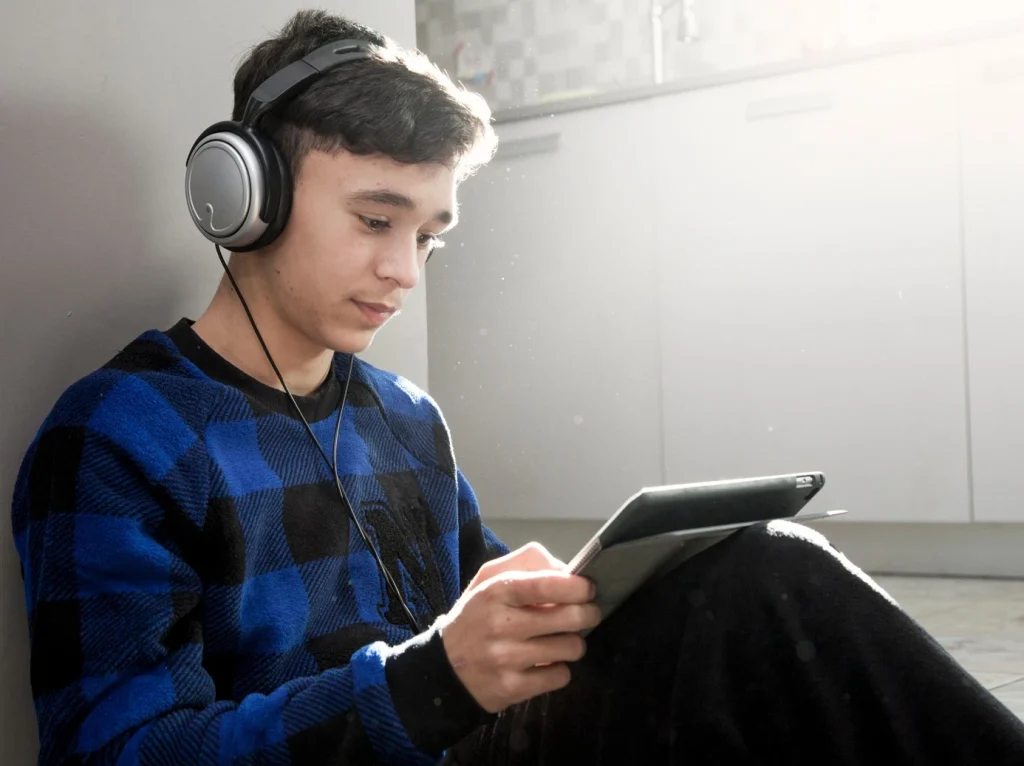
Your Audiobook Creation Roadmap: 6 Stages to Success
Transforming your manuscript into a compelling audiobook is a clear, step-by-step adventure. Here is your complete pathway from initial idea to finished product.
1. Preparing Your Manuscript for the Ear
Eye writing is a different thing from ear writing. The script preparation serves as the basis of your project.
Trimming the Fat
Sentences of fancy appearance on paper are frequently tongue-twisters. Read your work aloud. Should you find yourself breathing in between sentences, make them shorter. Eliminate visual aids, as this frustrates the listeners. When you choose to make an audiobook, you need to create text in the form of a natural conversation.
The Character Voice Guide
For fiction, create a character cheat sheet. Note the accents, pitches, and quirks of every speaker to ensure consistency. There is nothing worse than a protagonist who sounds like a pirate in Chapter 1 and a scholar in Chapter 10.

Choosing Your Path: DIY v. Professional Studio
The decision on who will do the heavy lifting is one of the greatest challenges in the production of audiobooks. Your budget and technical ability will determine this option. Whether you want to make an Audiobook yourself or delegate the task, weigh the investment of time against the final quality.
The Home Studio Setup
If you choose the DIY route, you need a “dead” space with no echo. Many authors use walk-in closets. Essential gear includes:
- A huge diaphragm condenser microphone
- An audio interface for your computer
- DAW software like Audacity or Adobe Audition
Hiring Professional Talent
One of the most appropriate methods to produce an audiobook is to give the narration to a professional, sometimes. A pro understands how to pace a story, how to work with dialogue tags, and how to have a consistent volume.
The Recording Process: Silence is Golden
Recording is an endurance sport. For every finished hour of audio, expect to spend three to four hours in the booth.
Mastering the “Punch and Roll”
Don’t just record and hope. Apply the Punch and Roll method. In case of a mistake, pause, rewind to the point of the last natural pause, and re-record the error. This eliminates post-production editing hours.
Maintaining Vocal Health
Your voice, your instrument. Caffeine or dairy should be avoided before recording, because they make mouth noise. Take a glass of water at room temperature and have a green apple beside you; the acidity will clear the extra saliva that is sensed by a sensitive microphone.
Pro Tip: Studio-in-a-Box Essentials
| Item | Why it’s Important |
| Condenser Microphone | Captures vocal richness and subtle emotion perfectly. |
| Acoustic Panels | Eats echo, making your voice sound warm and professional. |
| Comfortable Headphones | Lets you hear every detail and flaw during recording. |
| Solid Stand | Prevents handling noise and keeps your setup stable. |
Editing and Mastering: The Polishing Phase
After you have got the raw files, you have to make a recording into a product.
Technical Requirements
Shopping retailers such as ACX are stringent. Your files must:
- Noise Floor = -60db (complete silence).
- Peak -3dB to discourage distortion.
- Keep a steady level of RMS (average loudness).
Proof-listening
You have to listen to all the seconds of the audio, which is finished, and follow the text. It is the Quality Assurance stage. You are verifying that you have not missed any words, you are pronouncing words properly, or there has been a ghost that you heard, such as a siren in the distance.
Distribution and Marketing
How you distribute your audiobook determines your reach.
Exclusive v. Wide
Going exclusive with Audible gives you a higher royalty (40%) but prevents you from selling elsewhere. Going “wide” through platforms like Findaway Voices puts you on Spotify and Apple Books, though per-unit royalties may vary.
Crafting a Killer Sample
Your retail sample is your movie trailer. Take a five-minute piece of the tension or the heart of your book. It is what converts browsers into buyers.
The Future of Audio: AI and Human Nuance
AI narration is the buzzword of the industry. Digital voices are becoming so realistic, but they have yet to master the emotional touch that is needed to tell deep stories. To date, the human touch is the gold standard of audiobooks of high quality.
The End Note!
Creating an audiobook takes time and effort, but with the right planning, dedication, and focus on quality, it can be truly rewarding. From preparing the script to recording, editing, and publishing, every step plays an important role. When done right, an audiobook turns your story into an engaging listening experience that keeps your audience hooked from start to finish.
Want to turn your written work into a magical audiobook? Oxford Classic Publishers’ book marketing will enhance your experience with expert production and global reach. Get started today and bring your story to listeners worldwide.
FAQs!
How long does it take to make an audiobook?
The time depends on your book length, narration speed, and editing needs. Most audiobooks take a few weeks to a few months to complete.
Can I narrate my own book?
Yes, you can. With practice and the right setup, self-narration can make your audiobook sound more personal and engaging.
What equipment is essential for beginners?
You’ll need a good microphone, a pop filter, headphones, and a quiet recording space to produce clean, professional audio.
Do I need a professional editor?
It’s not required, but it helps a lot. A professional editor can remove mistakes, improve sound quality, and keep the audio consistent.
Which platforms are best for audiobook publishing?
Popular platforms include Audible, Apple Books, and Google Play Books. They offer wide reach and strong distribution options.

 +1
713-396-2252
+1
713-396-2252